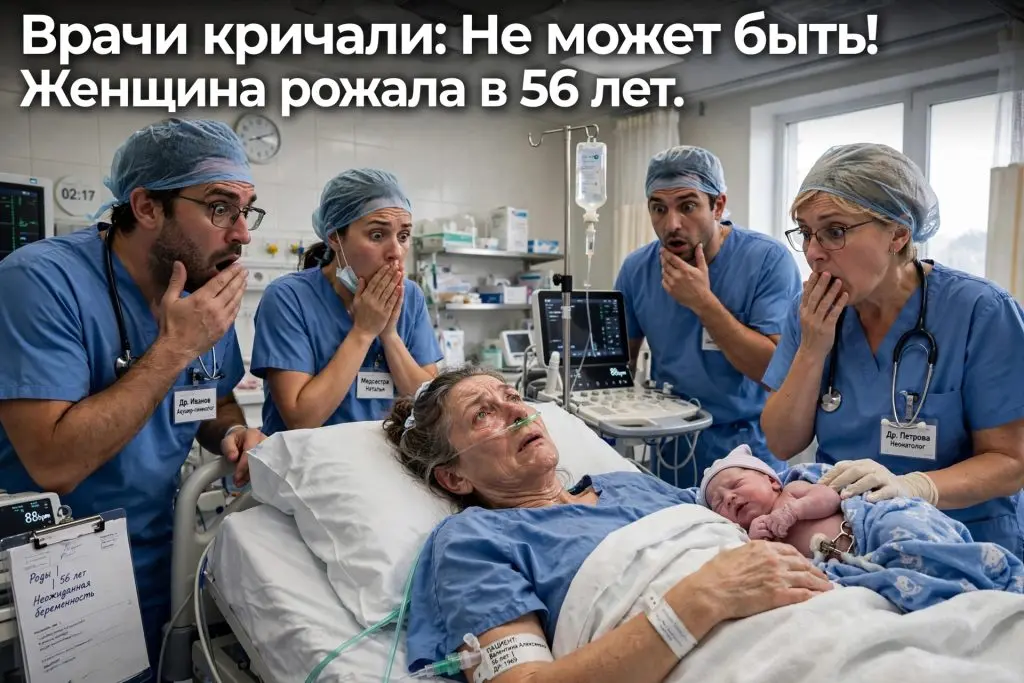
Врачи лишь разводили руками: «Такого не бывает!» Женщина стала матерью в пятьдесят шесть лет. Но настоящий шок наступил, когда все увидели новорождённого.
— Господи… Что со мной происходит? — прошептала Валентина Алексеевна, резко согнувшись от внезапной боли. Из её рук выпал небольшой совок, которым она только что рыхлила землю на грядке. Стоило ей выпрямиться после долгой работы, как резкий спазм пронзил живот. За все свои пятьдесят шесть лет она никогда не испытывала ничего подобного.
Не в силах удержаться на ногах, Валентина осторожно опустилась прямо на влажную землю. Несколько минут она сидела неподвижно, пытаясь восстановить дыхание. Мысли одна за другой тревожно проносились в голове. «Неужели это конец? — с отчаянием думала она. — Ведь так хочется ещё пожить, увидеть, как подрастают внуки, весной снова выйти в сад…»
Обратная дорога домой оказалась невероятно тяжёлой. Каждый шаг давался с огромным усилием, и лишь к вечеру она добралась до калитки. Последние силы ушли на то, чтобы разогреть ужин для мужа Степана. Он был человеком добрым и заботливым, однако привык, чтобы всё происходило по заведённому порядку. Малейшее нарушение привычного распорядка всегда выбивало его из колеи.
— Суп стоит в холодильнике… — едва слышно произнесла Валентина, после чего бессильно опустилась на диван. Не выдержав напряжения, она закрыла лицо руками и заплакала.
Степан сразу заметил её состояние. Он быстро подошёл, присел рядом и встревоженно взял жену за ладонь.
— Валя, что случилось? Почему ты плачешь?
Она с трудом подняла на него усталый взгляд.
— Степан… Мне кажется, я умираю. Чувствую, что со мной случилось что-то очень плохое.
Муж растерянно нахмурился.
— Почему ты так решила? Что тебя так напугало?
Валентина тяжело вздохнула.
— Уже несколько дней меня мучают боли в животе и пояснице. Ноги совсем не слушаются, сил почти не осталось. Наверное, это какая-то страшная болезнь
Степан больше не задавал лишних вопросов. Он видел жену разной за долгие годы совместной жизни: уставшей после тяжёлой работы, простуженной, расстроенной из-за семейных неурядиц. Но такой испуганной она не была никогда. Обычно Валентина терпела любую боль, отмахивалась от недомоганий и говорила, что всё пройдёт само. Если же она сама произнесла слово «умираю», значит, дело действительно серьёзное.
Он помог ей лечь поудобнее, накрыл тёплым пледом и принёс стакан воды.
— Завтра с самого утра поедем в районную больницу, — твёрдо сказал Степан. — Даже спорить не смей.
Валентина устало закрыла глаза.
— Не люблю я эти больницы. Сейчас начнут обследовать, пугать диагнозами. Может, полежу немного — и станет легче.
— Нет, Валя. На этот раз ты меня не переубедишь.
Ночь оказалась тяжёлой. Она почти не сомкнула глаз. Стоило перевернуться на другой бок, как боль возвращалась с новой силой. Иногда к ней добавлялась странная тяжесть внизу живота, затем всё ненадолго стихало. Валентина никак не могла понять, что происходит. За последние годы она давно привыкла считать себя женщиной преклонного возраста. Климакс наступил много лет назад, организм изменился, поэтому мысли о каких-либо женских заболеваниях даже не возникали.
Под утро ей приснилась покойная мать. Та стояла возле старой яблони, улыбалась и будто хотела что-то сказать. Валентина протянула к ней руки, но сон неожиданно оборвался.
Проснувшись, она почувствовала слабость, однако решила не показывать мужу своего состояния. Медленно поднялась, поставила чайник, попыталась приготовить завтрак, но ложка внезапно выпала из рук.
Степан молча забрал у неё кастрюлю.
— Всё. Собирай документы.
Через сорок минут они уже сидели в автобусе, который направлялся в районный центр. Валентина смотрела в окно на проплывающие поля и молилась лишь об одном — чтобы врачи нашли причину её недомогания и смогли помочь.
Приёмное отделение встретило привычной суетой. Медсёстры спешили по коридорам, где-то плакал ребёнок, возле кабинетов выстроились очереди.
Дежурный терапевт внимательно выслушал жалобы, измерил давление и нахмурился.
— Боль постоянная?
— То отпускает, то снова начинается.
— Температура была?
— Нет.
Доктор выписал направление на анализы и попросил пройти осмотр у хирурга.
Хирург долго ощупывал живот, затем задумчиво посмотрел на пациентку.
— Острых признаков хирургической патологии пока не вижу. Но причина явно есть. Сделаем ультразвуковое исследование.
Через несколько минут Валентина уже лежала на кушетке в кабинете УЗИ.
Молодая врач водила датчиком по животу, внимательно всматриваясь в монитор. Сначала её лицо оставалось спокойным, затем брови медленно поднялись вверх.
Она снова нанесла гель, изменила положение датчика и ещё раз посмотрела на экран.
— Простите… — тихо произнесла специалистка. — А сколько вам лет?
— Пятьдесят шесть.
Доктор ничего не ответила. Она лишь выключила аппарат и попросила немного подождать за дверью.
Через минуту в кабинет вошёл заведующий отделением.
Валентина слышала приглушённые голоса, доносившиеся из-за двери.
— Не может быть…
— Проверьте ещё раз.
— Настройки аппарата исправны?
— Всё работает идеально.
Наконец её снова пригласили внутрь.
На этот раз исследование проводили уже вдвоём. Оба врача долго молчали, переглядывались и несколько раз измеряли одни и те же показатели.
Степан, ожидавший в коридоре, начал заметно нервничать.
Когда супругов пригласили в кабинет, заведующий говорил очень осторожно.
— Мы получили весьма необычные результаты. Хотелось бы убедиться окончательно. Необходимо провести дополнительные исследования.
— Это опухоль? — испуганно спросила Валентина.
— Пока рано делать выводы.
Её направили в областной диагностический центр, где находилось современное оборудование.
Дорога заняла почти два часа. За всё это время супруги почти не разговаривали. Каждый думал о своём.
Степан вспоминал, как они познакомились ещё совсем молодыми. Тогда казалось, что впереди целая жизнь. Они мечтали о большой семье, однако судьба распорядилась иначе. Единственная дочь давно выросла, вышла замуж и жила в другом городе. Внуков пока не было, хотя Валентина часто говорила, что уже готова стать бабушкой.
Она же вспоминала другое.
Когда ей исполнилось сорок пять, врачи сообщили о завершении репродуктивного периода. После этого никаких обследований по этой части она уже не проходила. Зачем, если всё давно осталось позади?
В областной клинике обследование продолжалось несколько часов.
Анализы брали один за другим. Затем последовало повторное УЗИ, консультации нескольких специалистов, осмотр гинеколога.
Молодой врач выглядел всё более удивлённым.
Он попросил пригласить профессора, который как раз находился в клинике.
Пожилой специалист внимательно изучил результаты исследований, потом лично провёл осмотр.
Наступила долгая пауза.
Профессор снял очки и медленно произнёс:
— За свою многолетнюю практику я сталкивался с самыми редкими случаями. Однако подобное вижу впервые.
Валентина побледнела.
— Доктор… Скажите прямо. Что со мной?
Профессор обменялся взглядами с коллегами.
— Нам необходимо подтвердить некоторые данные лабораторными исследованиями. Только после этого можно будет сообщить окончательное заключение.
В тот же день кровь отправили в специализированную лабораторию.
Результаты обещали подготовить уже на следующее утро.
Валентину оставили в стационаре под наблюдением.
Вечером к ней заглянула медсестра.
— Не волнуйтесь раньше времени. Иногда организм преподносит удивительные сюрпризы.
Женщина лишь слабо улыбнулась.
Слова медсестры показались ей странными.
Ночью боли вновь усилились. Дежурный врач несколько раз заходил в палату, проверял её состояние и внимательно изучал показатели приборов.
Около пяти часов утра в ординаторской собрались сразу несколько специалистов.
На столе лежали свежие результаты анализов.
Один из врачей внимательно посмотрел на цифры, затем медленно перевёл взгляд на коллег.
В кабинете повисла такая тишина, что было слышно только тиканье настенных часов.
— Этого просто не может быть… — наконец произнёс заведующий.
Остальные молча смотрели на документы, не решаясь первыми озвучить вывод, который полностью переворачивал все привычные представления и обещал изменить жизнь Валентины и Степана самым неожиданным образом.
Утром профессора вместе с заведующим отделением вошли в палату. По их лицам Валентина сразу поняла: разговор предстоит непростой. Степан, который с самого рассвета сидел возле окна, мгновенно поднялся навстречу врачам.
Пожилой доктор положил папку с результатами на стол и некоторое время молчал, словно подбирая слова.
— Валентина Алексеевна, мы несколько раз перепроверили все анализы. Ошибки быть не может.
Женщина крепче сжала край одеяла.
— Это рак?
Профессор покачал головой.
— Нет.
Степан облегчённо выдохнул, однако врачи продолжали хранить серьёзное выражение лиц.
— Тогда что?
Профессор посмотрел прямо ей в глаза.
— Вы беременны.
Несколько секунд никто не произносил ни слова.
Валентина даже не улыбнулась. Она решила, что ослышалась.
— Простите… Что вы сказали?
— Беременность. По всем показателям срок составляет примерно тридцать восемь недель.
Степан громко рассмеялся, но смех быстро сменился растерянностью.
— Доктор, вы, наверное, перепутали карточки.
— Мы исключили такую возможность.
— Но моей жене пятьдесят шесть лет!
— Мы знаем её возраст.
Валентина медленно покачала головой.
— Этого не может быть. У меня давно закончился климактерический период. Последние месячные были много лет назад.
Профессор спокойно объяснил, что в исключительно редких случаях организм способен преподносить подобные сюрпризы. Иногда женщина принимает изменения самочувствия за возрастные особенности или проблемы с желудком, особенно если уже уверена, что материнство осталось в прошлом.
— Ваш случай действительно уникален. Именно поэтому мы столько раз всё проверяли.
Степан сел на стул.
— Значит… ребёнок настоящий?
Доктор кивнул.
— Сердцебиение отличное. По предварительным данным малыш развивается нормально. Но учитывая возраст матери, потребуется постоянное наблюдение.
Новость разлетелась по отделению буквально за несколько часов.
Медицинский персонал старался вести себя тактично, однако удивление скрыть было невозможно. Молодые врачи подходили к профессору с вопросами, просили разрешения ознакомиться с историей болезни, ведь подобные случаи встречаются чрезвычайно редко.
Валентина же никак не могла привыкнуть к услышанному.
Она осторожно положила ладонь на живот.
В этот момент внутри произошло лёгкое движение.
Женщина замерла.
— Степа…
Муж быстро подошёл.
— Что случилось?
— Кажется… он толкнулся.
Степан нерешительно приложил руку.
Через несколько секунд почувствовал едва заметный толчок.
Глаза мужчины наполнились слезами.
— Господи… Это правда…
Он осторожно обнял супругу.
— Значит, нам снова подарили чудо.
Через несколько дней супруги сообщили новость дочери.
Та сначала решила, что родители шутят.
— Мам, это невозможно.
— Мы тоже так думали.
Дочь приехала уже вечером.
Увидев медицинские документы и поговорив с врачами лично, она долго не могла произнести ни слова.
Потом крепко обняла мать.
— Я всё время мечтала подарить вам внуков… А получилось наоборот.
Все рассмеялись.
Несмотря на хорошее настроение, специалисты внимательно следили за состоянием пациентки.
Возраст оставался серьёзным фактором риска.
Каждый день проводились обследования.
Контролировали давление, работу сердца, показатели крови, развитие малыша.
Валентина строго выполняла все рекомендации.
Она впервые за долгие годы позволила окружающим заботиться о себе.
Через две недели появились первые признаки начала родов.
Схватки сначала были нерегулярными.
Потом интервалы стали сокращаться.
Валентину перевели в родильное отделение.
Собрался целый консилиум.
Опытные акушеры, анестезиолог, неонатолог, кардиолог — каждый понимал ответственность.
Профессор лично руководил процессом.
— Работаем спокойно, без спешки, — сказал он коллегам.
Степан остался ждать за дверью.
Он непрерывно ходил по коридору.
Молитву сменяла тревога.
Тревогу — надежда.
Часы тянулись бесконечно долго.
В родильном зале врачи действовали очень осторожно.
Из-за возраста женщины естественные роды проходили непросто.
Несколько раз специалисты обсуждали необходимость экстренного вмешательства.
Однако организм Валентины продолжал бороться.
Она терпела каждую схватку, вспоминая слова матери:
— Пока сердце не сдаётся, человек способен выдержать многое.
Профессор всё время поддерживал пациентку.
— Осталось совсем немного.
В какой-то момент в палате наступила напряжённая тишина.
Затем раздался громкий детский крик.
Все одновременно облегчённо выдохнули.
Акушерка осторожно подняла новорождённого.
Именно тогда по помещению пронеслось удивлённое шептание.
— Не может быть…
Один врач посмотрел на другого.
— Вы это видите?
Малыш оказался совершенно здоровым, с необыкновенно густыми белоснежными волосами, которые уже при рождении покрывали почти всю голову. На фоне смуглой кожи матери и тёмных волос обоих родителей такая особенность выглядела настолько необычно, что сотрудники на мгновение потеряли дар речи.
Неонатолог быстро осмотрел ребёнка.
Все показатели соответствовали норме.
Крепкие лёгкие, хороший вес, сильный голос.
— Абсолютно здоров, — наконец произнёс специалист.
Профессор улыбнулся впервые за всё время.
— Вот теперь действительно можно сказать, что природа умеет удивлять.
Через несколько минут Степану разрешили войти.
Он осторожно подошёл к кровати.
Валентина устало улыбалась, прижимая малыша к груди.
— Посмотри…
Муж долго рассматривал крошечное лицо.
— Какой красавец…
— Похож на тебя?
Степан засмеялся.
— Пока трудно понять. Но главное — он с нами.
В последующие дни история быстро распространилась далеко за пределы клиники.
Журналисты пытались попасть в палату.
Сотрудники телевидения просили дать интервью.
Однако супруги отказались от громкой славы.
Для них самым важным было спокойно вернуться домой.
Перед выпиской профессор пожал руку Степану.
— Берегите супругу. Организм перенёс огромную нагрузку.
Затем он обратился к Валентине.
— Вы доказали всем нам, что медицина знает многое, но жизнь иногда преподносит события, которые невозможно предсказать. Именно поэтому врач никогда не должен торопиться с окончательными выводами.
Через несколько дней возле деревенского дома остановилась машина.
Соседи выглядывали из окон.
Никто не ожидал увидеть Валентину с детской переноской на руках.
Люди сначала переглядывались, потом подходили поздравлять.
Одни удивлялись.
Другие искренне радовались.
Третьи качали головами, повторяя, что подобное случается раз в жизни.
Вечером Степан вынес на крыльцо старую деревянную качалку, которую когда-то собственноручно сделал для будущих внуков.
Он осторожно установил её возле окна.
Из комнаты донёсся тихий детский плач.
Мужчина улыбнулся.
— Видишь, Валя, судьба всё-таки исполнила наше самое давнее желание. Просто сделала это совсем не так, как мы когда-то представляли.
Валентина посмотрела на мирно спящего сына и крепко прижала его к себе.
Она понимала, что впереди их ждёт непростой путь, полный забот, бессонных ночей и новых испытаний. Но вместе с этим в их доме снова поселились детский смех, надежда и ощущение настоящего чуда, которое напомнило всем окружающим: иногда жизнь пишет такие истории, в которые трудно поверить даже самым опытным врачам.
