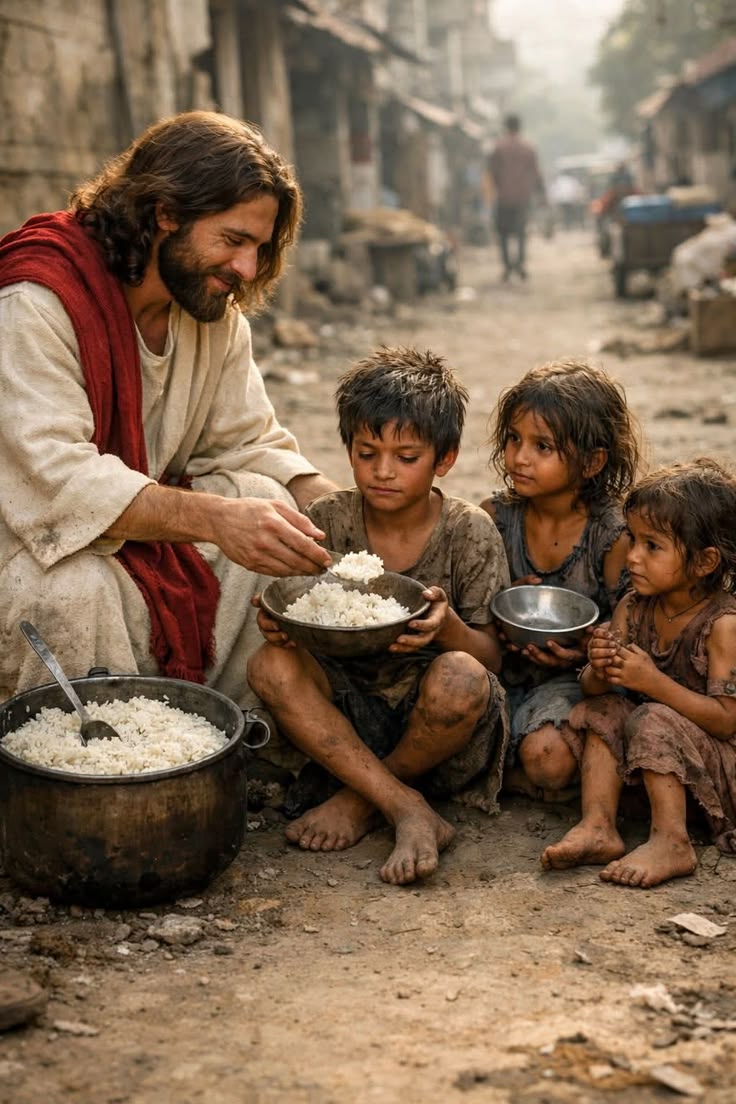
The summer heat had cracked the earth of Riverside County into a mosaic of broken promises. Maria Delgado, forty-three years old and recently laid off from the textile factory that had employed her for sixteen years, sat on the steps of what used to be her front porch. The eviction notice was still in her hand, its edges softened by the sweat of her grip. Behind her, through the thin walls of the house she would leave in seventy-two hours, she could hear her three children — Eduardo, twelve, Sofia, nine, and little Rosa, just six — arguing over the last box of macaroni and cheese.
She had stopped crying three days ago. Not because things had gotten better. But because the body, at some point, simply runs out of water.
The neighborhood of San Miguelo wasn’t the kind of place that appeared on travel brochures. It was the kind of place people drove through quickly with their windows up — crumbling storefronts, sun-bleached murals of saints and lowriders, a corner store that charged two dollars more for everything because it was the only store for miles. Maria had grown up here. She had believed, for a while, that she would rise out of it. The factory had felt like a ladder. Until the ladder was pulled away.
She didn’t notice the man until Eduardo came running to the porch.
“Mama,” he said breathlessly, “there’s a man on Calle Tres. He has a big pot. He’s giving out food.”
Maria looked up. “What kind of man?”
Eduardo shrugged the way twelve-year-olds shrug — with his whole body. “I don’t know. He looks… different.”
He was sitting cross-legged in the dirt at the corner of Calle Tres and Almendra Street, which made no sense because there was nothing at that corner except a busted fire hydrant and a memorial wreath for a boy named Darius who had died three years ago. But there he was — a man in simple clothes, a red cloth draped over one shoulder, dark curling hair, and eyes that caught the light in a way that made you think, for a moment, that the light was coming from inside him rather than from above.
In front of him sat an enormous blackened pot, filled with white rice that steamed impossibly in the heat of the afternoon.
There were already children gathered. The Mendes kids from the apartment building. The Torres twins. Little August, who everyone called Gus, who hadn’t spoken since his mother went away. They sat in a half-circle around the man, and he was serving them — carefully, tenderly — scooping rice into whatever bowl or cup or container they had brought or held.
Maria approached slowly, Sofia and Rosa clutching her hands.
The man looked up. He smiled — not the practiced smile of a politician or a charity worker documenting their goodness for social media. It was the smile of someone genuinely, inexplicably glad to see her. As if he had been waiting.
“There’s enough,” he said, before she could ask.
“Enough for everyone?” she asked, because she was a practical woman and she had learned not to trust abundance.
“Yes,” he said simply. “There’s always been enough. We just forgot how to share it.”
Maria sat down in the dirt. She couldn’t explain why. She was a woman who had not sat in the dirt since she was a child, a woman with dignity carefully maintained through years of hardship. But something about the way he said it — we just forgot how to share it — loosened something in her chest that had been knotted tight for years.
Eduardo held his bowl. The man filled it. Sofia held out her hands, cupped together because she hadn’t thought to bring anything, and he laughed softly and filled them anyway, the rice somehow staying perfectly shaped in her small palms like a gift wrapped in its own warmth.
Rosa stared at him with the unblinking honesty of a six-year-old. “Are you magic?” she asked.
He considered this seriously, the way adults rarely do when children ask serious things. “I am someone who believes in what’s possible,” he said. “That is a kind of magic, I suppose.”
More people came. Word traveled the way it always does in poor neighborhoods — fast, through back doors and open windows and the invisible thread that connects people who have learned that survival is communal. Old Mr. Patterson from the veterans’ home. The undocumented family from the third floor whose name Maria had never learned because they lived in the fear of being known. The teenage boys who stood on corners because there was nowhere else to stand. The woman from the shelter who had a business degree and a black eye and a two-year-old on her hip.
They all came. He served them all.
And the pot — Maria watched it carefully, with the eyes of a woman who had learned to measure everything — the pot did not empty.
She wanted to ask him who he was. She wanted to ask where he had come from and who had sent him and whether he would be there tomorrow. But every time she formed the question, something interrupted — a child needing more, a neighbor arriving, a moment of laughter that dissolved it.
When she finally looked up to speak to him directly, as the sun dropped behind the water tower and the first stars appeared above San Miguelo, he was gone.
The pot remained. Still warm. Still full.
On its side, scratched into the old black metal as if it had always been there, were two words:
Feed them.
